norvebrowsecomt.com
Escapements Chronographs Tourbillons Heritage

Centuries of Precision

From navigating the high seas to surviving the Quartz Crisis.

The Longitude Problem & Marine Chronometers

In the 18th century, John Harrison's H4 marine chronometer proved that an intricate, temperature-compensated mechanical clock could reliably determine longitude at sea. This established the bedrock of precision mechanical engineering.
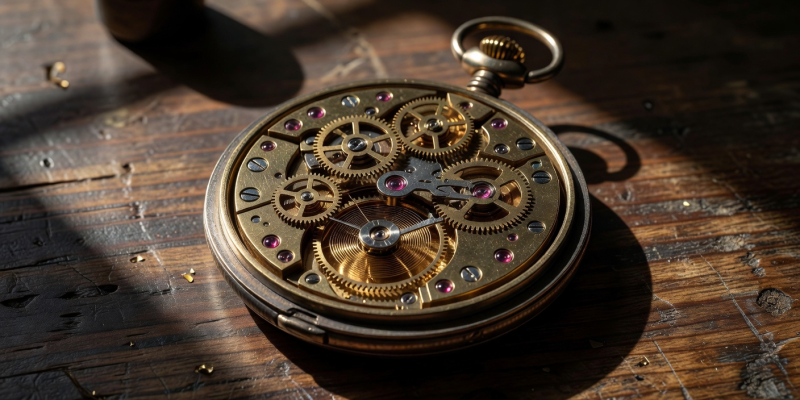
Vintage pocket watch mechanism

Observatory Chronometry Trials

Institutions like the Neuchâtel Observatory in Switzerland drove relentless competition among makers. Calibers were submitted for rigorous testing over 45 days, subjected to extreme temperature and positional variances. COSC (Contrôle Officiel Suisse des Chronomètres) is the modern descendant of these trials.

The Quartz Crisis & Renaissance

In the 1970s and 80s, cheap and accurate quartz technology nearly obliterated the mechanical watchmakers in the Vallée de Joux. The survival and eventual renaissance of the industry pivoted on repositioning the mechanical caliber not merely as a tool, but as a masterpiece of kinetic art.